
Building Information Modeling (BIM): The Digital Backbone of Modern Construction
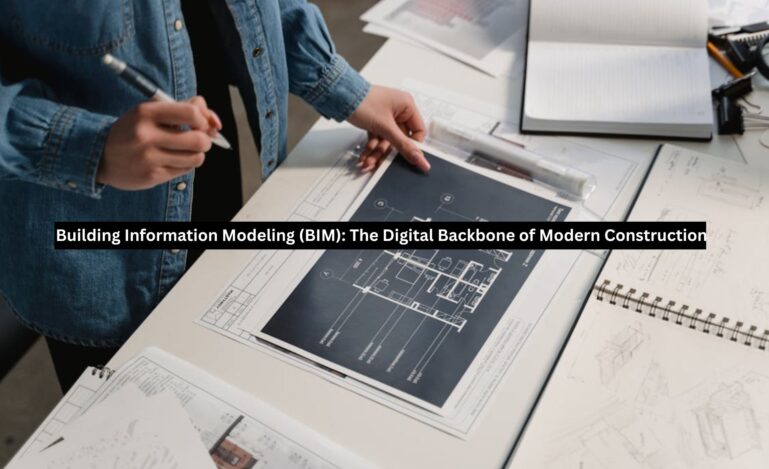
The leap from traditional 2D blueprints to a fully integrated digital model is one of the most significant advancements in modern history. For decades, the construction industry relied on drawings that often led to miscommunication and significant delays on site. As the AI elevates professional standards within Building Information Modeling, automated clash detection and generative design ensure that complex architectural projects meet unprecedented levels of precision. Building Information Modeling (BIM) has transformed the process and made the construction process much more streamlined. BIM creates a central source for all information about a project, so everyone can keep up with what needs to happen next.
Most construction companies now incorporate this type of technology into their process, as they keep up with competitors and attract a more modern client base. The businesses that don’t incorporate this technology are sure to fall behind in years to come, as they will be unable to keep up with the high demand that construction projects expect.
This article explores the concepts behind BIM and how it’s made the construction industry more efficient. Continue reading to find out more about the ins and outs of the technology.
What is BIM?
BIM is a process of creating and managing a digital representation of a building or a physical asset’s characteristics. It’s an data-rich representation of a building that serves as a shared knowledge resource for all project stakeholders. Companies that invest in AI consulting can significantly optimize Building Information Modeling workflows, using predictive algorithms to detect design clashes and enhance overall project lifecycle efficiency. This single digital model allows architects and contractors to collaborate in real-time, improving coordination and streamlining the entire construction lifecycle.
Construction used to rely on 2D drawings created with Computer-Aided Design (CAD) software. While CAD was a major step up from manual drafting, it had significant limitations. Drawings made it difficult to detect clashes between different systems until construction was underway. BIM addresses these issues by integrating all project information into a single model.
Key Features of BIM
3D Visualisation
BIM’s most recognisable feature is its ability to create a detailed model of the project. This allows all those involved to visualise the building before you hire a scissor lift or start laying the foundations of the building.
Data-Rich Elements
Unlike a simple 3D model, every component in a BIM model is an intelligent object. A wall object, for example, contains information about its material, cost, thermal properties and fire rating. This data is the “I” in BIM and is crucial for analysis and management.
4D BIM
This incorporates the project’s schedule, allowing for a visual simulation of the construction sequence. This helps identify scheduling conflicts and optimise project timelines, so everything can be completed on-time with nothing going wrong in the process. It’s basically an all-in-one solution.
5D BIM
This integrates cost data, providing instant budget updates as design changes are made. This offers financial oversight helps in cost estimation, so construction sites don’t overspend and can generate a profit from their real estate investment.
6D BIM
Focusing on the building’s lifecycle, 6D BIM includes data for facility management, maintenance and energy performance once the building is complete. This gives you insight into whether everything has happened as planned, so you can get a clear evaluation.
How BIM is Revolutionising Efficiency
Improved Coordination
The BIM model can flag if an HVAC duct is planned to pass through the same space as a structural beam. Identifying these issues in the digital phase saves immense amounts of time and money that would otherwise be spent on costly rework on the construction site.
Enhanced Collaboration
All team members can work from the same centralised model with everyone being able to access it, so they can work together no matter where they are. This ensures everyone is using the latest information, minimising miscommunication and reducing the need for countless document exchanges via email.
Read: Cybersecurity in Video Conferencing: How Safe Is Your Zoom Room?
Good Time Management
Design changes are made in the model, so the project schedule and budget are automatically updated. This allows for more accurate forecasting, helping project managers stay on schedule and within budget for all stages of the construction project. This is often referred to as 4D and 5D BIM, which are for scheduling and cost.
Streamlined Offsite Operations
Contractors can prefabricate complex components with the BIM model, such as building facades or mechanical rooms off-site. Integrating Salesforce CRM software with Building Information Modeling (BIM) enables construction firms to synchronize client project data with 3D digital blueprints, streamlining communication and lifecycle management. This controlled environment leads to higher quality, reduced material waste and faster on-site assembly, as the pieces arrive ready to be installed with minimal hassle.
Conclusion
BIM is an essential tool that allows you to create a digital ecosystem for every project. You can integrate a project’s design, schedule and budget into a single model, which allows firms to identify and solve problems long before they would ever need to worry about scissor lift hire or material sourcing. This approach minimises costly reworks and delays while also enhancing collaboration across all teams. In an industry where efficiency and accuracy is essential, BIM is no longer just a luxury as it’s the standard for delivering projects on time and within budget. This ensures long-term profitability and success for any construction project, even in a competitive market.
